Feline Infectious Peritonitis (FIP), once considered a death sentence for cats, has entered a new therapeutic era in 2025. The introduction of high-concentration 30mg/ml GS-441524 injections represents a significant milestone for veterinary medicine, offering a potent tool for managing severe or complex cases. This article explores the business landscape, clinical utility, and regulatory shifts surrounding these advanced antiviral formulations.
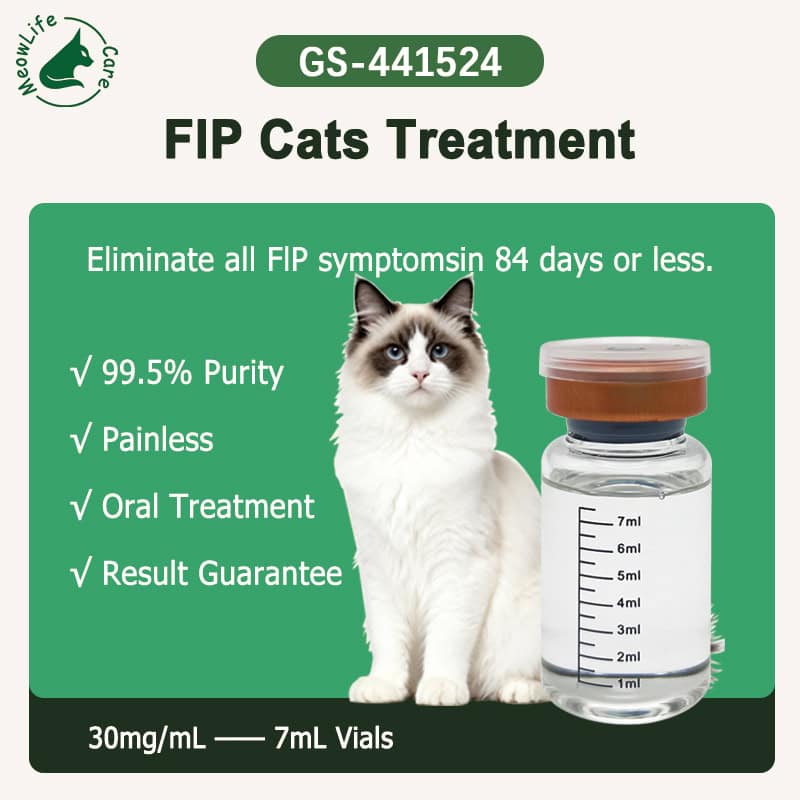
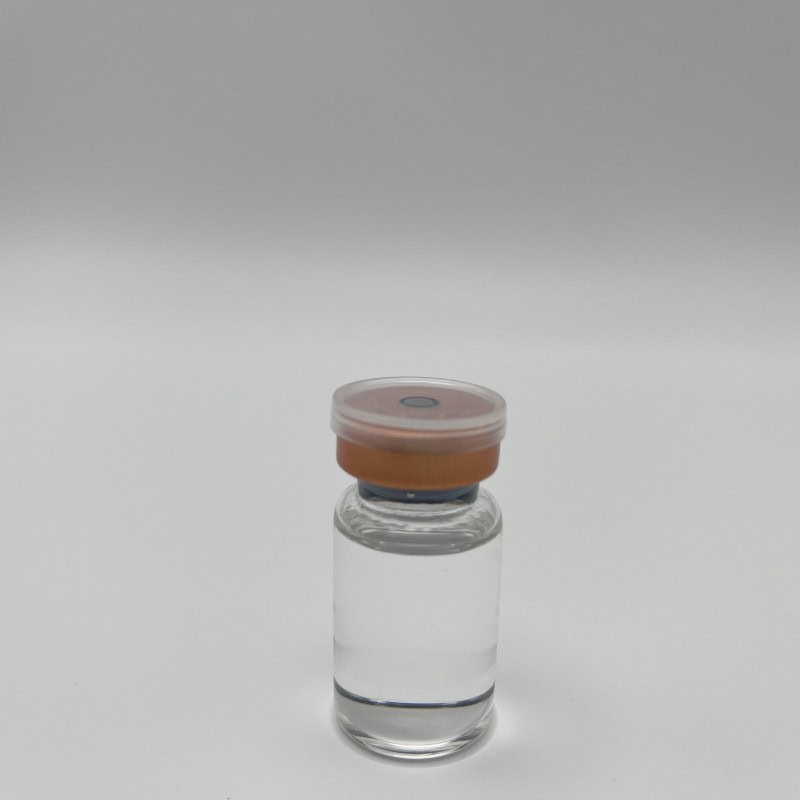
30mg/mL GS-441524 formula in 7mL vial for research use.
II.The Evolving Landscape of FIP Therapeutics
Based on historical data, the mortality rate of FIP was once close to 100%. Later, the discovery of GS-441524, a nucleoside drug, which can prevent viral replication by inhibiting the RNA-dependent RNA polymerase of feline coronavirus fundamentally changed the prognosis of FIP treatment. By the beginning of 2025, as long as the appropriate antiviral treatment plan is followed, the consensus report of clinicians states that the survival rate can exceed 80% to 90%. Previously, the drug formula was changed from 20mg/ml to 30mg/ml, mainly due to a key demand in the market – that is, to reduce the injection volume while still ensuring the treatment effect. This formula change just solved this problem. In the case of more severe cases, those that have already developed neurological or ocular complications, higher concentrations of drugs are generally required to penetrate the blood-brain barrier and achieve effective therapeutic effects in the central nervous system.
III.Technical Specifications: The 30mg/ml 7ml Standard
When designing the latest 30mg/mL GS-441524 vial, it was deliberately considered to have better bioavailability and maintain a stable state. The concentration of this vial is 30mg/mL. For a 7ml capacity vial, it can hold a total of 20mg of GS-441524. This combination of capacity and concentration is also quite reasonable. pH Balance: We have optimized this formula to be between 6.0 and 7.0. This can reduce the stinging sensation that often occurs in the old highly acidic black market formula. After all, the acidic substances in the old formula may be more likely to cause this uncomfortable reaction when in contact with the skin. The optimized value can make the skin contact milder and reduce the probability of that very prominent stinging sensation. Application: This article mainly focuses on the study of FIP cases ranging from moderate to severe, which also include neurological and ocular types. Storage: Stable at room temperature (15–40°C) for up to 12 months if kept away from direct sunlight.
IV.Global Market and Regulatory Status in 2025
The commercial availability of GS-441524 has seen rapid legalization via compounding channels in 2024 and 2025.
1.United States: While not yet FDA-approved as a mass-market drug, the FDA issued Guidance for Industry (GFI) #256, allowing licensed pharmacies to compound GS-441524 from bulk substances. It is now legally available for veterinary “office stock” in 43 states as of late 2024. 2.Europe and UK: Legal routes exist in the UK, the Netherlands, and Switzerland. In Belgium and Italy, veterinarians use the human prodrug Remdesivir (Veklury) or import legal GS preparations from France or the UK. 3.Asia-Pacific: High-quality brands like Basmi FIP and Mutian continue to lead the market in regions like India and Southeast Asia, offering standardized 30mg/ml concentrations for complex cases. Information provided here is for general knowledge and should not be taken as medical advice. Always consult with a healthcare professional before making any decisions about your pet’s health or treatment.
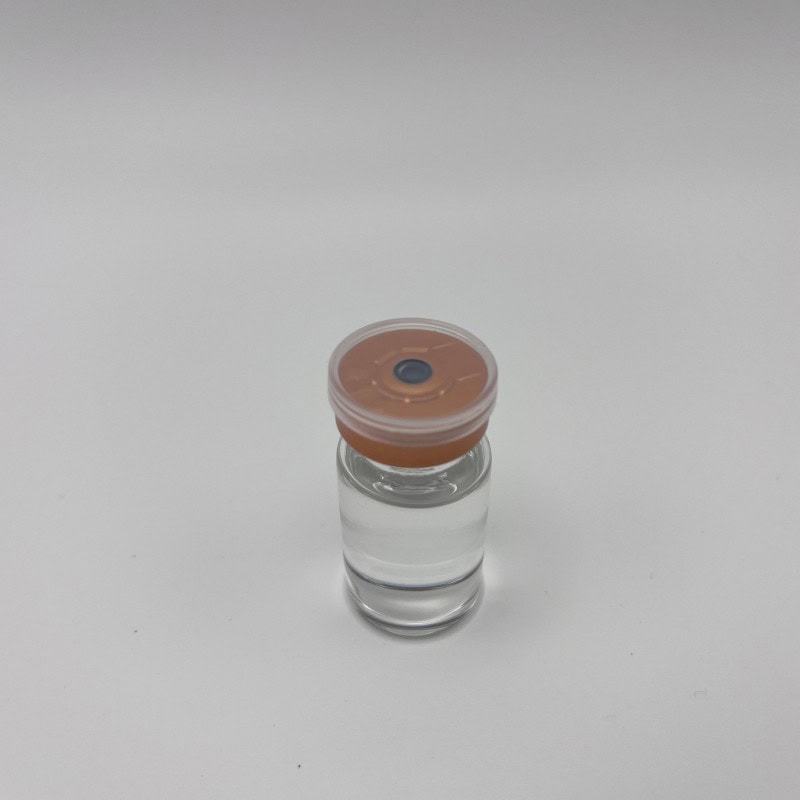
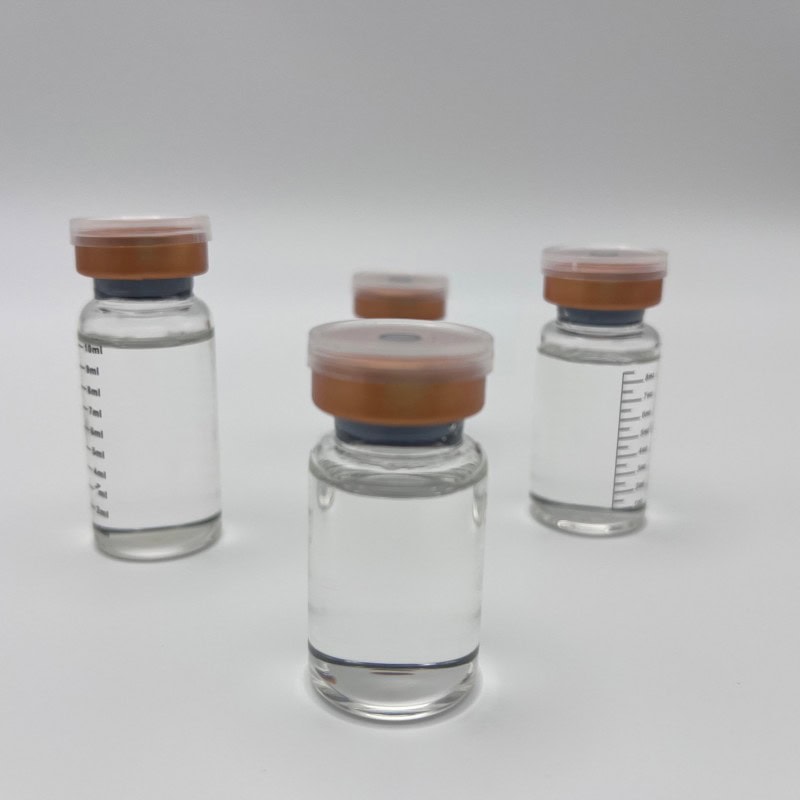
Export-quality 7mL vial of GS-441524 30mg/mL.
V.Clinical Application
In 2025, veterinary guidelines emphasize weight-based precision when considering the application of GS-441524. Because a cat’s weight typically increases as its appetite returns during treatment, weekly weighing may be recommended. The specific application of GS-441524 can vary depending on the form of FIP present. Veterinary professionals determine the appropriate course of action based on individual cases. Note: The application protocols are based on specific concentrations. Always consult a veterinarian to determine the appropriate approach for an individual case.
VI.Administration
To support the efficacy of GS-441524 administration and minimize feline stress, certain techniques may be recommended:
Site Rotation: Changing the administration site daily may help prevent skin irritation or “injection site sores.
Needle Gauge: Using a fine needle (e.g., 0.3mm or 22–25 gauge) for subcutaneous delivery into loose skin, typically between the neck and back, may be advised.
Hydration: Proper hydration may be vital, as dehydration could potentially inhibit drug absorption. Duration: The duration of treatment may follow a specific protocol. Experts suggest that stopping treatment early might increase the risk of relapse.
Ⅶ.Frequently Asked Questions (FAQ)
1. What are the potential advantages of higher concentration formulations? Higher concentration vials may allow for a smaller volume to be administered, which could be less uncomfortable for the cat and potentially more efficient for certain requirements in neurological FIP.
2. Can GS-441524 be used with other medications? GS-441524 is often used alongside supportive care, which may include anti-inflammatories or appetite stimulants. However, consultation with a specialist is advised regarding the use of certain antibiotics and flea treatments in conjunction with GS-441524.
3. What is the potential outcome for neurological FIP? Neurological FIP can present challenges in treatment, but outcomes have shown improvement with specific application protocols.
Ⅷ.User Feedback and Industry Impact
Case studies in 2024 and 2025 both highlighted the observational results regarding the potential recovery brought about by concentrated vials. While collating these cases, this article discovered many interesting details. In Italy, a specific case was reported, stating that a cat that had only received neurogenic FIP received a higher concentration injection treatment Its mobility and eating habits have both improved significantly. Before, it even had difficulty walking, but now it can gradually move to the food bowl by itself. Many pet owners have also been saying that although the treatment period may be very tight, with daily visits to the hospital or home care, the possibility of recovery can be seen from what was previously considered an incurable disease. This is really valuable for the welfare of pets. After all, no one wants to see their cat pass away in such distress.
Ⅸ.Conclusion
The availability of the GS-441524 formula, which also includes those preparations with higher concentrations, represents a significant development for the health of felines. This is because by 2025, the relevant regulatory situation will continue to change, and the opportunities for cats to access standardized antiviral treatment will gradually increase. This gives hope that FIP can gradually become a situation that cats around the world can handle.
A veterinarian offering professional after-sales guidance for feline GS-441524 use.
For pet owners who want to understand more about how GS-441524 supports FIP recovery, we recommend reviewing independent veterinary information from trusted sources such as Cornell University and published studies on PubMed. These references offer unbiased background on FIP research and can help you make a more confident treatment decision. And you may also visit our related guides on FIP symptoms, dosage recommendations, and real recovery cases for additional support.
As an experienced GS-441524 manufacturer and exporter, we focus on stable quality, transparent testing, and responsible service. Many partners choose us because of consistent supply, professional communication, and our understanding of the real needs in FIP treatment markets.
Do you offer guidance or support during FIP treatment?nancy.gsfipcare2026-01-23T05:53:04+00:00
Based on years of collaboration with veterinary clinics and distributors, we continue to support your treatment of GS-441524, including storage, injection techniques, and dosage references. While we cannot replace veterinary advice, we are committed to being a trusted long-term partner.
Can GS-441524 be shipped internationally?nancy.gsfipcare2025-12-19T06:46:12+00:00
Yes. We have extensive experience exporting GS-441524 FIP treatment products to many countries. Our team handles professional packaging and documentation to ensure safe delivery. Import regulations vary by country, so we assist clients with practical shipping solutions.
How do you ensure the quality of your GS-441524 products?nancy.gsfipcare2025-12-19T06:15:18+00:00
Quality is our top priority. Our GS-441524 antiviral drug is produced in GMP-compliant facilities, with each batch undergoing third-party laboratory testing. We provide COA and batch records to ensure consistency, safety, and traceability for our international clients.
What forms of GS-441524 do you supply?nancy.gsfipcare2025-12-19T06:16:48+00:00
As a professional GS-441524 supplier and exporter, we provide GS-441524 injection vialstablets, and raw in multiple concentrations and volumes to meet different treatment needs. All products are manufactured under strict quality control and tested for purity and stability before shipment.
Is GS-441524 safe? Are there any side effects?nancy.gsfipcare2025-12-19T06:05:30+00:00
From long-term feedback and export experience, GS-441524 for cats is generally well tolerated. The most common issues are mild injection site reactions or temporary discomfort. Serious side effects are rare when proper dosage and sterile injection practices are followed.
What dosage of GS-441524 should be used for cats?nancy.gsfipcare2025-12-19T05:49:46+00:00
Dosage depends on the cat’s weight and type of FIP. In general, GS-441524 dosage ranges from 4 mg/kg to 10 mg/kg per day. Neurological and ocular FIP often require higher doses. For safety and effectiveness, dosage should always be guided by a veterinarian familiar with FIP treatment.
How long does a typical GS-441524 FIP treatment course last?nancy.gsfipcare2025-12-19T05:48:03+00:00
The standard treatment course for GS-441524 FIP therapy is usually 84 days, followed by an observation period. In real cases, some cats may need extended treatment depending on their response. We always suggest working closely with an experienced veterinarian during the full treatment process.
Is GS-441524 effective for both wet and dry FIP?nancy.gsfipcare2025-12-19T05:45:51+00:00
Yes. Clinical experience shows that GS-441524 injection can be used for both wet (effusive) FIP and dry (non-effusive) FIP, as well as neurological and ocular FIP when dosage is properly adjusted. Many veterinarians recommend individualized treatment plans based on symptoms and body weight.
What is GS-441524 and how does it work for FIP treatment?nancy.gsfipcare2025-12-19T05:45:07+00:00
GS-441524 is a nucleoside analog antiviral that has been widely used in the treatment of Feline Infectious Peritonitis (FIP) in cats. It works by inhibiting viral RNA replication, helping stop the FIP virus from multiplying in the cat’s body. Based on feedback from veterinarians and long-term users, GS-441524 has become one of the most trusted options for FIP treatment worldwide.